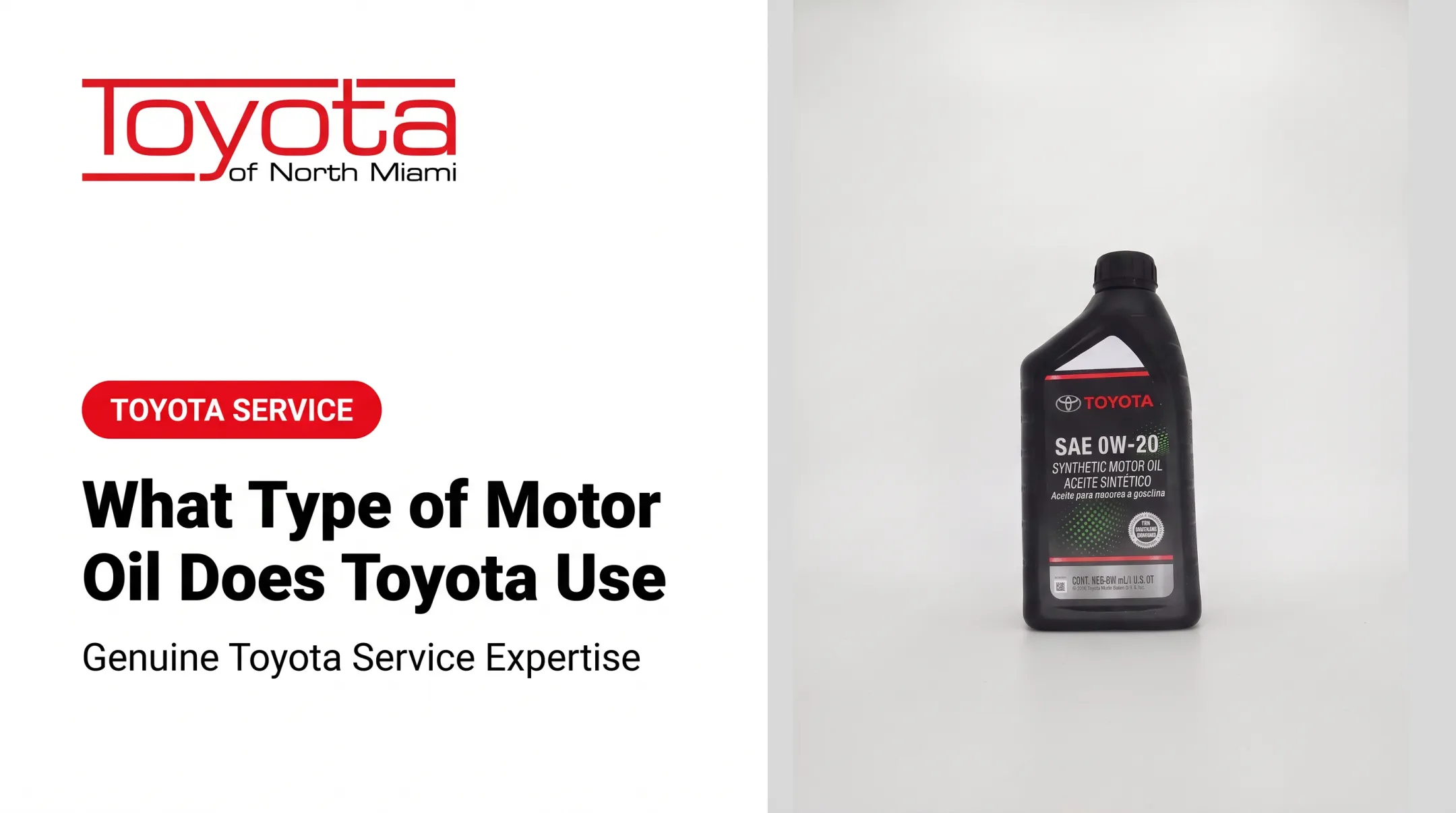
A low advertised price often doesn't account for essential factors like full synthetic oil, the extra quart your engine might need, taxes, environmental fees, or an upgraded filter. This guide is designed to cut through the confusion. We'll break down current price ranges, what to expect for popular models like the Corolla, Camry, and Tacoma, and how to compare a dealership quote with other providers to find the best value for your vehicle.
Key Takeaways
- Based on 2024-2025 research, a basic oil change can be found for as low as $20-$70, while a full synthetic service at a dealership or independent shop typically ranges from $60 to $125.
- The final cost is driven by oil type (conventional, blend, synthetic), your engine's oil capacity, the filter used, labor rates, and any bundled inspections or fees.
- Estimates for a Corolla or Camry will likely differ from a Tacoma, as their engines, oil capacities, and service requirements are not the same.
- The best value isn't always the lowest advertised price. Always compare the complete, itemized estimate—including parts quality and inspection details—before booking your service.
How Much Does a Toyota Oil Change Cost? (Pricing Overview)
There is no single, universal price for a Toyota oil change. A misunderstood quote can leave you under-budgeted, with the wrong oil grade, or facing surprise fees on the final invoice.
At Toyota of North Miami, we aim for transparency. For instance, we often run specials like our $19.95 conventional oil change or a $59.99 full synthetic oil and filter change. These prices are a useful starting point. The tiers below show what drives the final total.
Typical Cost Range
- Entry-Level or Promotional Service: Basic changes often run $20 to $70 and may use conventional or synthetic-blend oil (up to about 5 quarts). Confirm the oil type matches your owner's manual.
- Standard Full-Synthetic Service: Most modern Toyotas need full synthetic. Expect $70 to $125 in the U.S. for oil, a quality filter, labor, and a multi-point inspection. A 2025 KBB benchmark puts a standard change near $100, with synthetic adding about $20.
- Higher-Cost or Larger-Vehicle Service: Trucks, larger SUVs, and V6 models cost more because they hold more oil. A 2024 Tacoma needs 5.9 quarts versus 4.4 quarts for a 2025 Corolla, and specialty viscosity grades can push the total higher.
Remember that advertised prices often exclude taxes and fees. In Florida, most auto repairs are subject to a 6% state tax plus any applicable county surtax, as noted in a Florida Department of Revenue brochure. Always ask for the "out-the-door" price.
Model-Specific Estimate Guidance
Toyota Corolla and Camry: Cost depends on model year, engine, and hybrid status. A 2023 Camry 3.5L V6 needs 5.7 quarts of 0W-20, while a 2.5L four-cylinder needs 4.8 quarts of 0W-16. Capacity and oil grade drive the price difference.
Toyota Tacoma: Tacoma quotes run higher than sedan prices. Larger oil capacity and truck-specific inspection points add cost, so request a quote by VIN for your model year and engine.

Key Factors That Affect the Cost of a Toyota Oil Change
The final price on your oil change invoice reflects more than just the oil itself. It’s a combination of your vehicle's specific technical needs and the service provider's parts, labor, and inspection process.
Oil Type, Viscosity, and Model-Year Requirements
The type of oil your Toyota requires is the single biggest factor in cost.
- Conventional Oil: The least expensive option, suitable for some older models.
- Synthetic-Blend Oil: A mix of conventional and synthetic oils, offering better protection than conventional for a moderate price.
- Full Synthetic Oil: Highest-quality option for performance and longevity; most new Toyotas require it. An Edmunds guide notes better resistance to breakdown and extreme temperatures.
Using the wrong viscosity (such as 5W-30 when 0W-16 is required) can affect performance and engine longevity. For example, the 2025 Corolla with a 2.0L engine needs SAE 0W-8, while the 2024 Tacoma requires SAE 0W-20. Always check your owner’s manual or the oil filler cap.
Vehicle Size, Engine, and Oil Capacity
A simple rule applies: bigger engines need more oil, which costs more.
| Model Example | Engine Oil Capacity (with filter change) |
|---|---|
| 2025 Toyota Corolla (2.0L) | 4.4 quarts |
| 2025 Toyota Camry Hybrid | 4.5 quarts |
| 2023 Toyota Camry (3.5L V6) | 5.7 quarts |
| 2024 Toyota Tacoma | 5.9 quarts |
Hybrid models still have gasoline engines that need regular oil changes. However, fully electric vehicles like the Toyota bZ4X do not have an engine and require no oil changes at all.
Service Provider and Labor
Where you get your oil changed matters.
- Dealerships (like Toyota of North Miami): Factory-trained technicians use Genuine Toyota oil and filters with advanced diagnostics, helping protect warranty coverage and a complete service history.
- Independent Shops: A good local mechanic can be a great option, provided they use oil and filters that meet Toyota's specifications and properly document the service.
- Quick-Lube Chains: Often the cheapest and fastest option, though filters, upsells, and technician training quality can vary.
Driving Conditions and Service Interval
Toyota's standard maintenance schedule for many modern vehicles is an oil change every 10,000 miles or 12 months, whichever comes first. However, if you primarily drive under "special operating conditions," that interval is shortened to every 5,000 miles or 6 months.
These conditions include:
- Frequent towing or carrying heavy loads on a roof rack.
- Driving on dirt or dusty roads.
- Extensive idling or driving at low speeds for long distances (common in Miami traffic).
- Repeated short trips of less than five miles in freezing temperatures.
Occasional demanding use doesn't automatically put you on the severe schedule. It applies when the majority of your driving fits these descriptions.

Cost Breakdown of a Toyota Oil Change: Low-Cost vs. High-Cost Options
Review every oil change quote for what's included, what's excluded, and what's optional. The total cost is more than just the price of fresh oil.
Initial Service Components
These are the recurring charges you should see on every oil change invoice:
- Engine Oil: The main cost component, priced by type and quantity.
- Oil Filter: A critical part that should be replaced every time.
- Labor: The technician's time to perform the service.
- Drain Plug Gasket: A small but vital part that should be replaced to prevent leaks.
- Disposal/Environmental Fees: Charges for safely recycling the old oil and filter.
- Taxes: State and local sales tax on parts and labor.
Inspection and Added Maintenance
Professional oil changes usually include a multi-point inspection. At Toyota of North Miami, our technicians check key systems like:
- Fluid levels (coolant, brake, washer fluid)
- Tire condition and pressure
- Brake pads and rotors
- Battery health
- Belts and hoses
This complimentary inspection can catch small issues before they become expensive problems. Any recommended repairs are chargeable and should be explained clearly before work begins.
Low-Cost Toyota Oil Change
A budget-friendly quote, like our $19.95 special, keeps basic maintenance affordable. Always confirm:
- Oil Type: Is it conventional, and does your car require synthetic?
- Quantity: Is it enough for your engine, or will you be charged for extra quarts?
- Filter Quality: Is it a basic filter or a Genuine Toyota part?
- Final Price: Does the advertised price include all fees and taxes?
Higher-Cost Toyota Oil Change
Paying more for an oil change can be a smart investment when the quote covers the right oil and parts. A higher price, such as our $59.99 full synthetic service, often includes:
- Full Synthetic Oil: The correct oil grade for modern engines.
- Genuine Toyota Parts: An oil filter designed specifically for your vehicle.
- Toyota-Trained Technicians: Work completed to factory standards.
- Comprehensive Inspection: A thorough vehicle check-up and documented service record.
- Bundled Maintenance: May include extras such as a tire rotation.
When comparing quotes, weigh what you get for the price, not only the dollar amount. If you’re in the Miami area, check our current service specials or request an itemized estimate online.
How to Estimate the Right Budget and Avoid Common Cost Mistakes
To get an accurate oil change estimate and avoid overpaying, a little preparation goes a long way. Follow these steps.
Know Your Vehicle. Before you call for a quote, have this information ready: your Toyota's model, model year, engine size (e.g., 4-cylinder or V6), and current mileage. This helps the service advisor provide an accurate price.
Ask for an Itemized Estimate. Request a written quote that breaks down all charges: oil type and quantity, filter part number, labor costs, all fees, and taxes. This lets you compare apples to apples between different shops.
Consult Your Manual. Your owner's manual is the definitive source for your car's required oil type, viscosity, and service interval. Don't rely on generic advice; use Toyota's official recommendation.
Avoid Common Mistakes. The biggest errors are focusing only on the headline price, assuming all Toyotas use the same oil, and paying for unnecessary add-ons without a clear explanation from the technician. Also, don't wait for a dashboard light to tell you it's time for service—follow the mileage or time interval.

Choosing a dealership like Toyota of North Miami provides value through factory-trained technicians, genuine parts, and detailed service records that protect your investment. However, a trusted independent shop that uses the correct Toyota-specified parts and documents the work can also be a suitable choice.
Conclusion
The cost of a Toyota oil change varies by your vehicle's needs, the oil type it requires, and the service provider you choose. For owners of a Corolla, Camry, Tacoma, or any Toyota hybrid, the best approach is to confirm your model's specific requirements and compare complete, itemized estimates.
Don't let a low advertised price be your only guide. Understanding those factors helps you budget accurately and keep your Toyota running reliably.
If you're in the Miami, Hallandale, or Pembroke Pines area and want a clear, competitive quote for your vehicle, contact the service experts at Toyota of North Miami. We're ready to provide a transparent estimate and schedule your next service.
Frequently Asked Questions
How much should an oil change cost for a Toyota?
Cost depends on the model, oil type, and service provider. A basic change can run $20–$70, while full synthetic at a dealership typically costs $70–$125. Ask for an itemized quote for your vehicle.
How much is an oil change for a Toyota Corolla?
Corolla pricing varies by model year and engine. Most newer Corollas need full synthetic, so plan on about $70–$100, though local specials can bring that down.
How much should a Toyota Camry oil change cost?
Camry costs depend on the engine (4-cylinder vs. V6) and hybrid status, which set oil type and capacity. A V6 needs more oil than a 4-cylinder, so get a quote for your specific vehicle.
How much is an oil change for a Toyota Tacoma?
A Tacoma oil change usually costs more than a sedan’s because the larger engine holds more oil (up to 5.9 quarts). Expect the higher end of the range, often $90–$130 or more.
How much is Toyota synthetic oil?
Synthetic oil is only part of the bill. A case of Genuine Toyota oil may run $40–$60, but the full service—filter, labor, inspection, and fees—typically totals $70–$125.
How often do Toyotas need an oil change?
Most modern Toyotas on synthetic oil should be changed every 10,000 miles or 12 months, whichever comes first. Severe use—heavy traffic or dusty roads—can shorten that to 5,000 miles or 6 months.